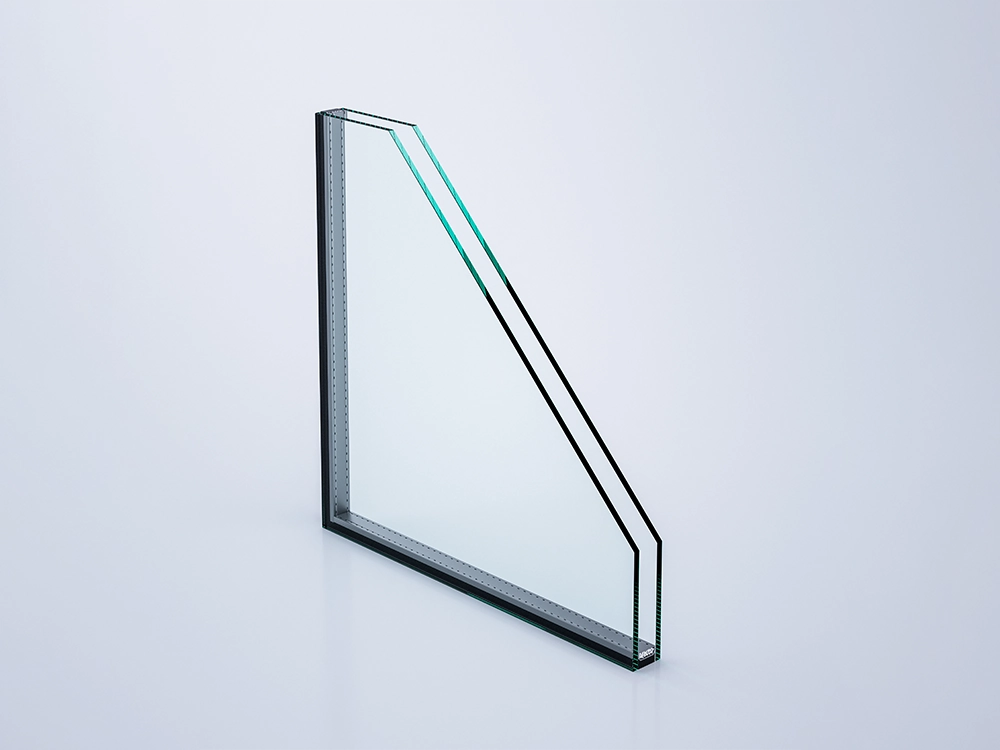
The core of a thermal insulation glass unit is the low-emissivity coating, applied to float glass using a magnetron sputtering process. This ultra-thin layer—consisting of several nanometers of metals and metal oxides—functions by:
reflecting long-wave radiation (heat emitted by radiators, people, furniture), which reduces heat loss from the interior,
while allowing short-wave solar radiation to pass through (visible light and solar heat), enabling natural warming of the interior.
The result?
In winter, heat stays inside the building; in summer—when combined with appropriate solar control glass—overheating is significantly reduced. This makes low-emissivity glazing one of the most effective passive solutions for improving a building’s energy performance.
In practical terms, thermal insulation glass improves indoor comfort and helps significantly reduce heating and cooling costs. This is why it has become a fundamental element of modern construction. High-quality thermal insulation glazing is used in both residential and commercial buildings, delivering energy savings and enhanced user comfort.
To achieve maximum thermal efficiency in insulating glass units, it is crucial to use a warm bent spacer frame, compliant with EN ISO 10077. This construction enhances insulation in the edge zone of the glass—an area most susceptible to heat loss. The result is a higher surface temperature at the edges and a significantly reduced risk of condensation.
One of the key quality requirements for insulating glass units is protecting the internal cavity against moisture ingress and noble gas leakage. To ensure compliance with EN 1279, the spacer frame should be manufactured without corner joints—as a single, continuous, bent component. Frames made from cut sections joined with connectors often lead to reduced tightness and diminished thermal performance over time.
By choosing Vitroterm-Murów thermal insulation glass with a bent spacer frame, you gain long-lasting durability, high energy efficiency, and complete safety in everyday use—year after year.
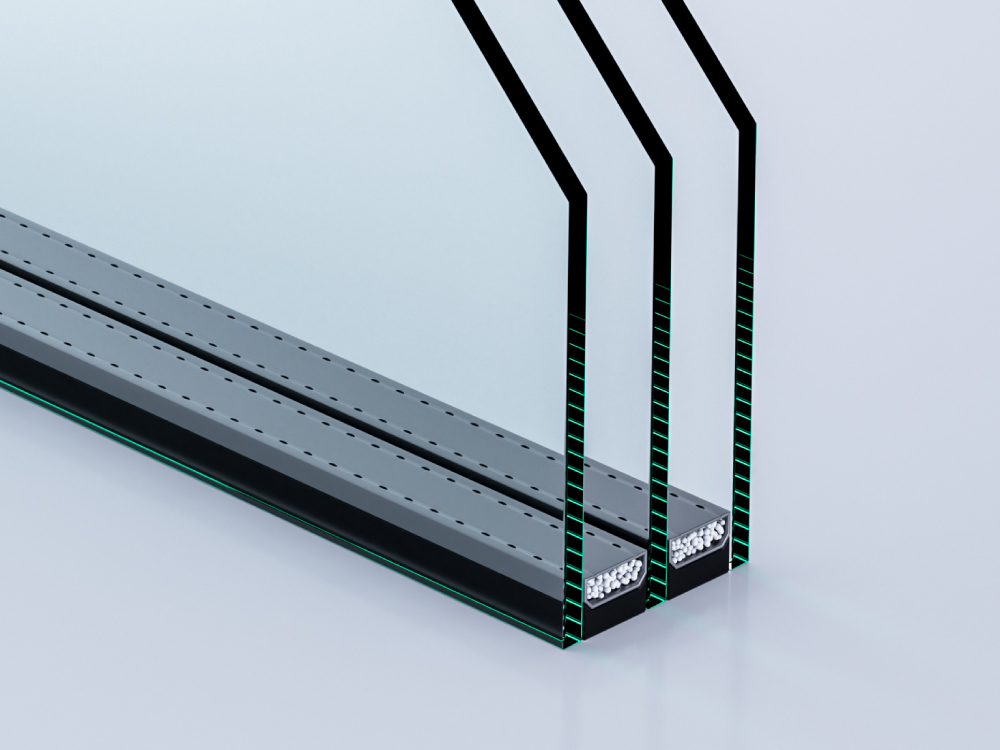

The key indicator for thermal insulation glass is the Ug heat transfer coefficient, which defines the amount of thermal energy passing through the glass unit (in accordance with EN 673). The lower the Ug value, the more effective the insulation.
By combining various types of glass—tempered, laminated, solar control, or acoustic—we offer fully customized thermal insulation units tailored to the technical and aesthetic requirements of each project.
When you choose Vitroterm-Murów thermal insulation glass, you invest in quality confirmed through testing and full compliance with applicable standards. Our technical team will help you select the optimal solution based on the Ug value, light transmission, Lt factor, g-value, and your project budget.
Modern thermal insulation glass effectively reduces energy loss while ensuring high indoor comfort. Our energy-efficient glazing provides an excellent balance between thermal insulation and visible light transmission, keeping interiors bright, comfortable, and welcoming.
Thanks to a wide range of available configurations, thermal insulation glass is suitable for both residential and commercial buildings, supporting the principles of sustainable construction. In practice, such solutions help lower heating costs in winter and reduce air conditioning usage in summer—directly improving the overall energy efficiency of the building.
Thermal insulation glass is a solution where functionality meets comfort and aesthetics. It enables the creation of energy-efficient, pleasant indoor environments while reducing operating costs. Today, thermal glazing is a standard in modern construction—and an investment that pays off with lasting warmth, quietness, and a comfortable indoor climate.