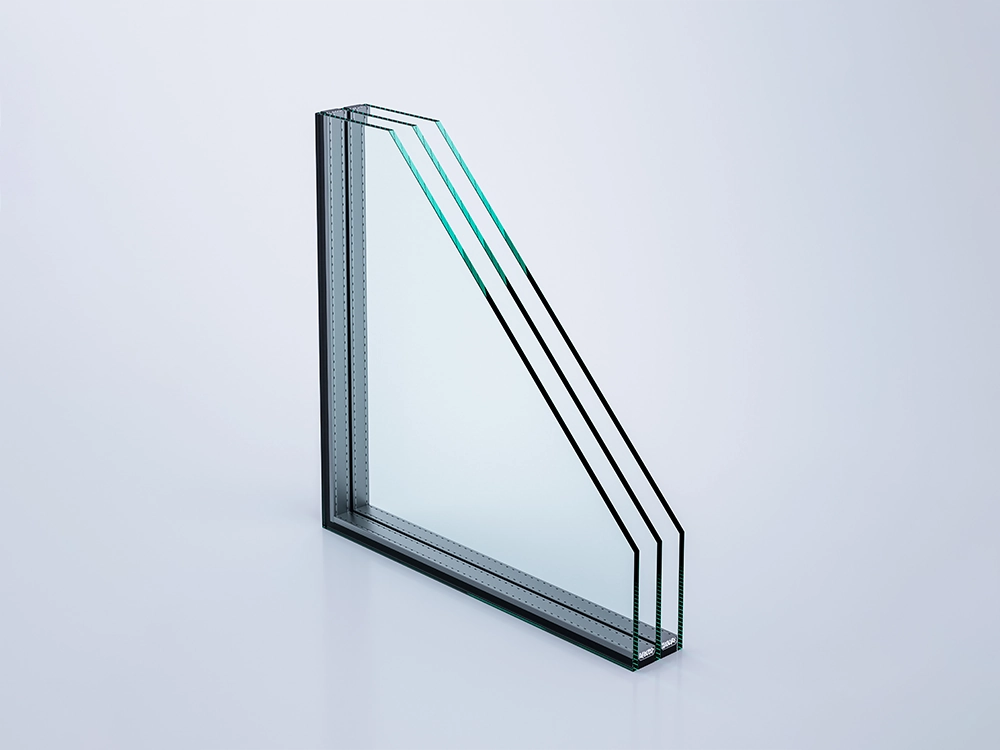
Choosing the right configuration of an insulating glass unit is one of the most important steps in designing modern glazing. It determines how a window will perform—whether it will maintain an optimal indoor temperature, reduce external noise, provide protection against excessive sunlight and heat loss, and how long it will retain its properties.
The configuration of an IGU involves more than just the number of glass panes or the type of gas used in the spacer cavity. Equally important are the specialist coatings applied to the glass—such as low-emissivity (Low-E) coatings that enhance thermal insulation, and solar control coatings that reduce overheating in summer and protect interiors from excessive light. The right combination of glass type, coatings, gas fill, and spacer frame allows for the creation of an IGU perfectly tailored to the building’s characteristics, purpose, and location.
A well-configured, made-to-measure insulating glass unit provides real benefits: lower heating and cooling costs, improved user comfort, enhanced safety, and long-lasting durability and aesthetics. This is why at Vitroterm-Murów we always ensure an individual approach and precise selection of solutions—so that every IGU leaving our production line performs exactly as the client and the project require.
We manufacture our insulating glass units in a variety of configurations—using multiple panes of glass, different gas fills, and specialized coatings—to precisely match climatic conditions, building orientation, and energy-efficiency expectations.
A standard solution providing solid thermal and acoustic insulation.
Ideal for energy-efficient buildings, offering enhanced insulation performance.
An advanced solution for passive buildings, ensuring the highest level of thermal insulation.
Insulating glass units increasingly serve not only as barriers separating the interior from the exterior but also as active components that influence user comfort and the building’s energy balance. One of the key elements defining the performance of an IGU is the coating applied to the glass surface. Depending on the design and technical requirements, these coatings can serve various purposes—from minimizing heat loss and controlling solar gain to enhancing aesthetics.
Thermal Insulation Coatings (Low-E)
These are the most commonly used coatings in modern insulating glass units. A low-emissivity coating—typically made from a thin layer of metal oxides—reflects infrared radiation, keeping heat inside the building during winter and reducing heat ingress in summer. As a result, the demand for heating and cooling is significantly reduced, contributing to energy savings and lower operating costs.
Solar Control Coatings (Reflective and Selective)
For large glazed surfaces, especially those oriented to the south or west, it is crucial to limit overheating and excessive sunlight. Solar control coatings provide effective solutions:
Reflective coatings – These coatings reflect a significant portion of solar radiation (both visible and infrared), creating a one-way mirror effect on the sunlit side. In addition to providing protection from heat, they enhance privacy and give façades a modern, distinctive appearance.
Selective coatings – A more advanced technology, they allow natural daylight to enter while blocking excessive solar energy. This maintains bright, comfortable interiors without the risk of overheating, making them an ideal choice for office buildings, public facilities, and modern energy-efficient homes.
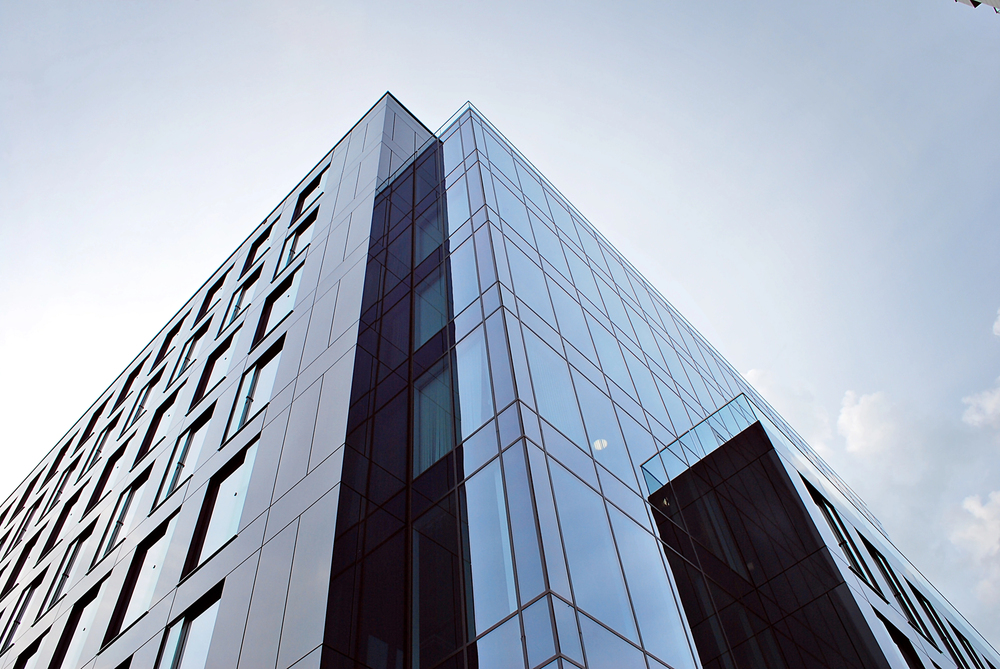
The choice of coatings affects not only the technical parameters but also the aesthetics of insulating glass units – coatings can have different shades, reflective properties, and gloss levels, allowing designers to achieve the desired visual effects for facades and interiors.
Modern thermal insulation and solar control coatings are increasingly being certified in accordance with EU and Polish Standards, providing customers with a guarantee of durability and compliance with legal requirements. Insulating glass manufacturer Vitroterm-Murów uses coatings with increased scratch and cleaning resistance, which translates into better quality of use and lower operating costs over the years.
Modern construction is increasingly relying on energy-efficient and safe insulating glass units. This manufacturer offers a wide selection of configurations and coatings that can be perfectly tailored to the needs of a specific project.
Modern insulating glass units are not just standard solutions – curved or bent insulating glass units are increasingly being used, enabling the creation of more daring facade and façade architecture. Research shows that curvature can increase structural rigidity and reduce the need for supporting profiles in facades, which brings aesthetic and logistical benefits.
Another aspect is quality control: dimensional accuracy of the insulating glass unit, minimizing pane deformation, testing the airtightness of the inter-pane space, and checking the thermal insulation (U-value) are crucial to ensure the insulating glass unit meets the declared standards and ensures comfortable use.
It's also worth remembering the influence of location (e.g., climate, building exposure to sunlight, wind direction) – a glass unit that works perfectly on a north-facing facade may require a different configuration on the south or west side of the building.